


Classic Rock
Supertramp’s official statement about Rick Davies’ death at 81

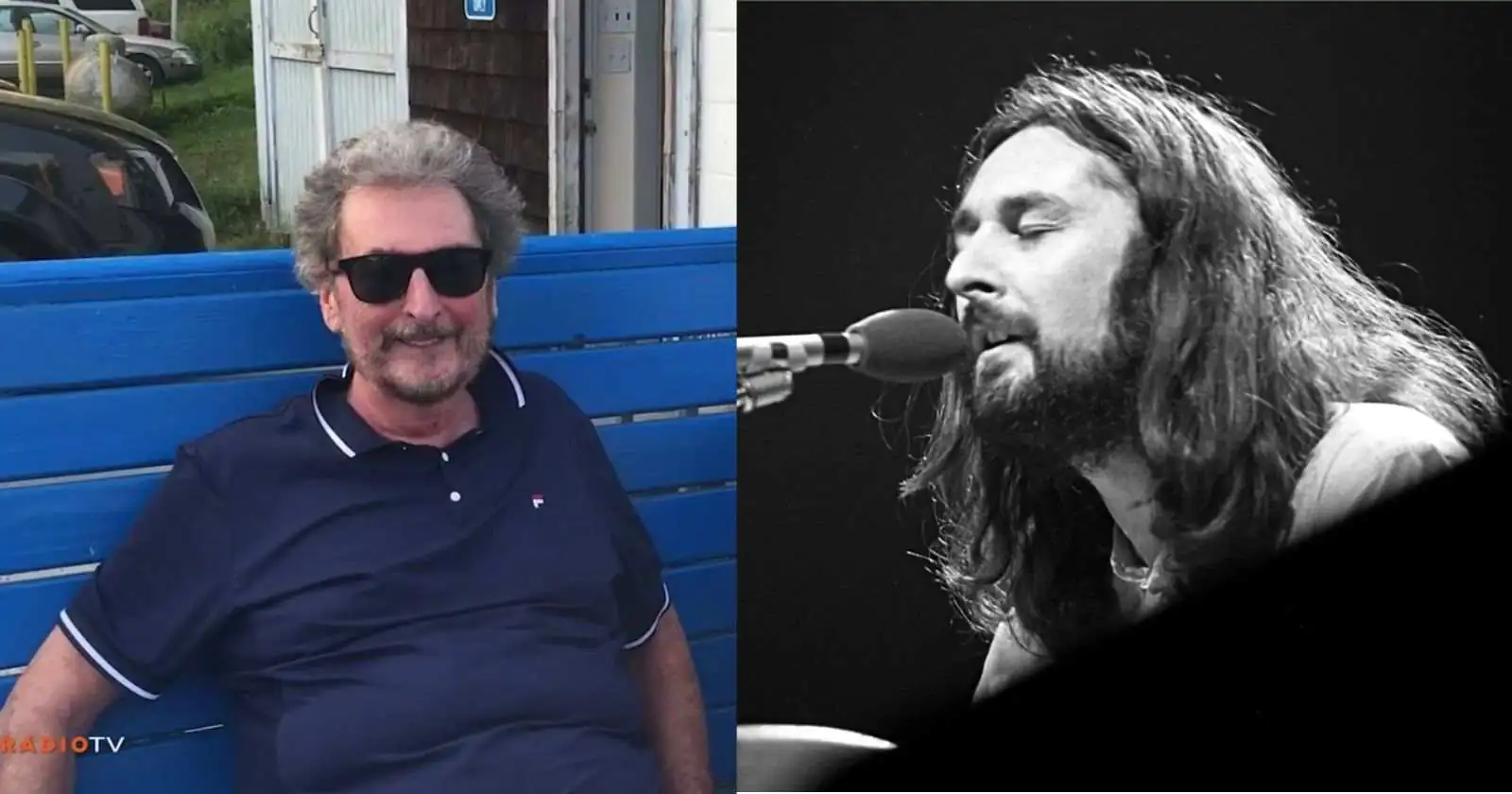
Supertramp co-founder, keyboardist and classic co-singer Rick Davies passed away at the age of 81 after a long cancer battle. His final show with the band happened back in 2012 in Spain. In 2015 they had announced an European tour but it had to be cancelled after Davies had been diagnosed with multiple myeloma and required aggressive treatment to combat the disease, which was the one that caused his death in 2025.
Supertramp’s official statement about Rick Davies’ death at 81
“Rick Davies, founder, lead singer and songwriter of Supertramp, passed away on Saturday, September 6th at the age of 81 after battling Multiple Myeloma for over 10 years. Born in Swindon, England in 1944, Rick’s love of music began in his childhood listening to Gene Krupa’s ‘Drummin’ Man’ which grew into a lifelong passion for jazz, blues and rock’n’roll.”
“As co-writer, along with partner Roger Hodgson, he was the voice and pianist behind Supertramp’s most iconic songs, leaving an indelible mark on rock music history. His soulful vocals and unmistakable touch on the Wurlitzer became the heartbeat of the bands’ sound. Beyond the stage, Rick was known for his warmth, resilience, and devotion to his wife Sue, with whom he shared over five decades.”
“After facing serious health challenges, which kept him unable to continue touring as Supertramp, he enjoyed performing with his hometown buds as Ricky and the Rockets. Rick’s music and legacy continue to inspire many and bears testament to the fact that great songs never die, they live on,” Supertramp said.
After the singer and keyboardist Roger Hodgson left the band in 1983, Davies became the sole leader and never left the group. The band’s final studio album was Slow Motion, released in 2002. They never reunited with Hodgson, who felt betrayed by Davies, as they had agreed in the 1980s that Davies would keep the band’s name while they would refrain from performing Hodgson’s songs, which included most of their biggest hits. A few years later, as audiences began to shrink, Supertramp started playing Hodgson’s songs again.